

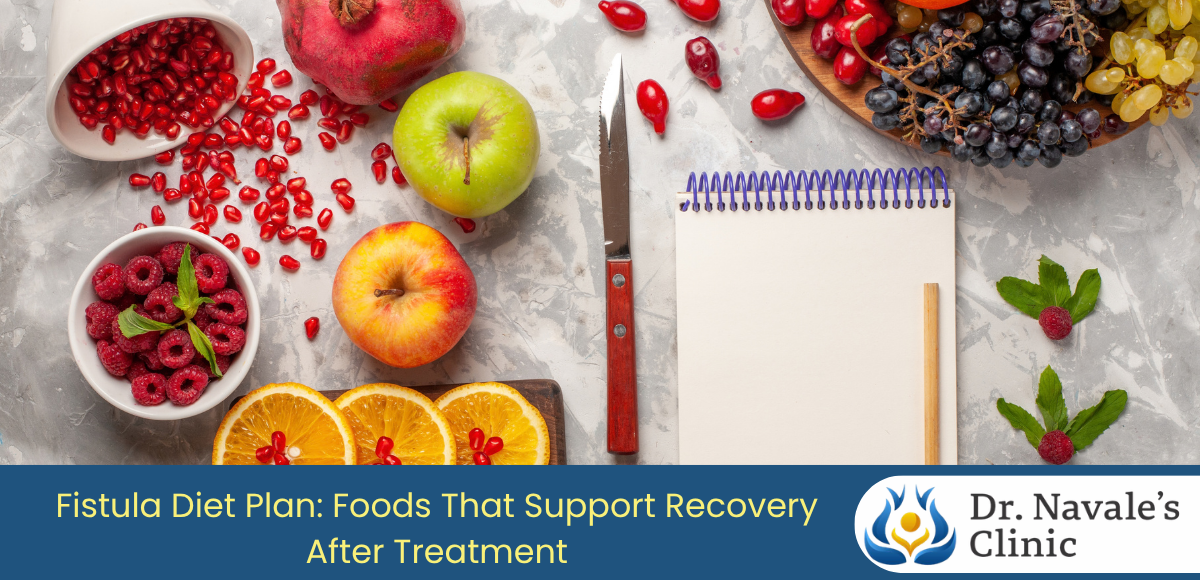
Fistula Diet Plan: Foods That Support Recovery After Treatment
Getting your fistula treated is a big relief. But the weeks after surgery or a procedure like fistulotomy, LIFT or seton placement are when the real healing happens, and what’s on your plate matters more than most people think. A well-planned fistula diet plan keeps stools soft, reduces straining, and gives the wound the nutrients it needs to close properly.
Why Does Diet Matter After Fistula Treatment?
Hard stools and straining put direct pressure on the healing area near the anus. Soft, regular bowel movements mean less pain, a lower chance of infection, and a better chance the fistula won’t come back.
After treatment, the tract heals slowly from the inside out. If you get constipation during this time, every visit to the toilet becomes painful, and some patients start avoiding it altogether. That makes stools even harder. The right food breaks this cycle early. Good protein and enough water also help new tissue form faster.
What Foods Help Fistula Recovery?
High-Fibre Foods for Soft Stools
Dietary fibre adds bulk and holds water in the stool, so it passes without force. Good options include:
- Grains: jowar or bajra bhakri, whole wheat chapati, dalia, oats, vegetable poha
- Vegetables: dudhi (lauki), pumpkin, carrot, spinach, methi, beans, all well cooked
- Fruits: ripe papaya, banana, pear, apple, orange and sweet lime
- Dry fruits: soaked anjeer (figs), black raisins and prunes
One tip: increase fibre slowly over a week. A sudden jump can cause gas and bloating, which is the last thing you want right after treatment.
Protein for Wound Healing
Your body needs protein to rebuild tissue. Moong dal, masoor dal, paneer, curd, eggs and sprouts (lightly steamed) are easy to digest. If you eat non-veg, choose home-style chicken or fish cooked with mild spices.
Fluids That Keep You Hydrated
Fibre without water can actually make constipation worse. Aim for 8 to 10 glasses of water a day. Buttermilk (chaas), coconut water, nimbu pani, kokum sherbet and thin vegetable soups all count.
Gut-Friendly Foods
Fresh curd and chaas contain natural probiotics that support digestion. Fermented foods like homemade idli and dosa are also gentle on the stomach. Some patients are advised a spoon of isabgol in warm water at bedtime, but take it only if your doctor recommends it.
Which Foods Should You Avoid After Fistula Surgery?
Avoid anything that irritates the gut, hardens the stool or slows digestion, at least for the first four to six weeks.
- Very spicy food like misal, thecha and red chutneys
- Fried snacks such as vada pav, bhaji, samosa and farsan
- Maida products including pav, bakery biscuits, khari and instant noodles
- Red meat and heavy, oily gravies
- Alcohol, and more than two cups of tea or coffee a day
- Packaged chips, cold drinks and processed food
Smoking isn’t food, but it slows wound healing badly. This is a good time to stop.
What Daily Habits Speed Up Healing?
Food works best when paired with a few simple habits:
- Take a warm sitz bath 2 to 3 times a day, especially after passing stool
- Don’t hold back the urge to go to the toilet
- Avoid sitting for long hours. If you work in Hinjewadi or Wakad IT parks, get up every 45 minutes and walk a little
- Go for a 20 to 30 minute walk daily once your doctor allows it
- Don’t sit on the toilet scrolling your phone. Five minutes is enough
When Should You Call Your Doctor?
Contact your surgeon quickly if you notice fever, increasing pain, heavy bleeding, foul-smelling discharge, or no bowel movement for three days. These signs need a check-up, not home remedies.
Frequently Asked Questions
Can I eat rice after fistula surgery?
Yes, in moderation. Pair rice with dal and vegetables, or have it as khichdi. Avoid eating plain white rice alone in large amounts since it has very little fibre.
Is milk good for fistula patients?
For most people, yes. If milk causes gas or loose motions, switch to curd or buttermilk, which are easier to digest.
How long should I follow a special diet after fistula treatment?
Follow it strictly for at least four to six weeks. After that, keeping a fibre-rich diet as a lifelong habit helps prevent constipation and lowers the risk of recurrence.
Can diet alone cure a fistula?
No. A fistula is an abnormal tract that needs proper medical treatment. Diet supports healing and prevents problems, but it can’t close the tract on its own.
When can I start eating spicy food again?
Wait until the wound has healed well, usually after four to six weeks. Then reintroduce spice slowly and watch how your body reacts.
Get Expert Fistula Care in Pimpri Chinchwad
Recovery goes smoothly when treatment and aftercare go hand in hand. At Dr. Navale’s Clinic, every patient gets a personalised fistula diet plan and regular follow-ups, so healing stays on track. Whether you’re dealing with a new fistula, a recurring one, or have questions after your procedure, we’re here to help.
Learn more about our fistula (bhagandar) treatment in Pimpri Chinchwad, or read about fistula symptoms, causes and treatment.
Dr. Navale’s Clinic | Specialist for Piles, Fissure and Fistula in PCMC
Call: +91 98221 16364