

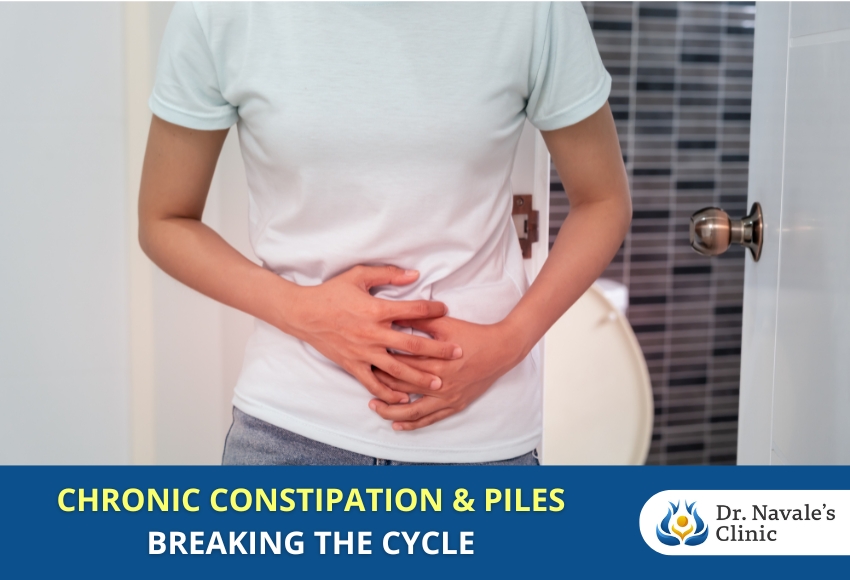
Chronic Constipation & Piles: Breaking the Cycle
Chronic constipation and piles (hemorrhoids) are two of the most common yet distressing digestive health issues. What many don’t realize is that they are often intimately connected, creating a painful and frustrating cycle. The straining associated with difficult bowel movements increases abdominal pressure, which can cause or severely worsen piles. In turn, the fear of pain from piles can lead to stool withholding, making constipation even worse. This blog will explore this connection in detail and provide actionable steps to break free from this cycle for good.
Understanding the Link: How Constipation Leads to Piles
Piles are swollen and inflamed veins in the rectum and anus. The primary mechanical cause is excessive pressure in the lower rectum. Chronic constipation is a major contributor to this pressure through:
- Straining: Forceful straining during hard, infrequent bowel movements stresses the rectal veins.
- Prolonged Sitting on the Toilet: Spending too much time on the toilet increases gravitational pressure on the anal region.
- Hard Stools: Passing lumpy or hard stools can cause abrasion and increase shearing force on the anal canal during evacuation.
This constant pressure weakens the supporting tissues, causing veins to bulge and become symptomatic piles.
Symptoms: Is It Constipation, Piles, or Both?
Recognizing the overlapping symptoms is key:
- Chronic Constipation: Fewer than three bowel movements per week, lumpy or hard stools, sensation of incomplete evacuation, feeling of blockage.
- Piles (Hemorrhoids): Bright red blood on toilet paper or in the stool, itching or irritation in the anal region, pain or discomfort, swelling around the anus, a sensitive or painful lump near the anus.
If you are experiencing a combination of these symptoms, you are likely caught in the constipation-piles cycle.
Breaking the Cycle: A Multi-Pronged Approach
To treat piles effectively, you must address the underlying constipation. Here’s how to break the chain:
1. Dietary Modifications for Smoother Digestion
- Increase Soluble & Insoluble Fiber: Aim for 25-35 grams daily. Include oats, psyllium husk (isabgol), fruits like pears and papaya, vegetables, and whole grains.
- Stay Hydrated: Drink plenty of water throughout the day (at least 2-3 liters). Fiber needs water to create soft, bulky stool.
- Limit Constipating Foods: Reduce intake of processed foods, red meat, cheese, and excessive caffeine/alcohol.
2. Lifestyle & Habit Changes
- Don’t Ignore the Urge: Respond to nature’s call promptly. Delaying can lead to water reabsorption from the stool, making it harder.
- Establish a Routine: Try to have a bowel movement at a regular time each day, preferably after a meal.
- Optimize Toilet Posture: Use a small footstool to elevate your feet (squatting position). This straightens the rectum and eases elimination.
- Regular Exercise: Moderate activity like walking or swimming stimulates intestinal motility.
3. Medical Management & Professional Treatment
- Over-the-Counter Relief: Short-term use of stool softeners or osmotic laxatives (like lactulose) may help, but consult a doctor first.
- Piles-Specific Treatments: For symptomatic piles, topical creams, ointments, or suppositories can provide temporary relief from pain and swelling.
- When to See a Specialist: If symptoms persist for more than a week, bleeding is heavy or frequent, or pain is severe, professional intervention is crucial. Modern proctology offers minimally invasive treatments like Rubber Band Ligation, Laser Treatment for Piles, and Sclerotherapy, which are highly effective with minimal downtime.
About Dr. Navale’s Clinic – Best Piles Treatment Center in Pimpri Chinchwad, Pune
If you’re searching for expert piles treatment in Pimpri Chinchwad, Dr. Navale’s Clinic stands as a trusted name. Led by an experienced Piles Specialsit – Dr. Kaushik Navale. Dr. Navale’s Clinic offers the professional expertise and modern solutions you need to restore your health and well-being.